Gender transformative approaches recognise women and girls as equal actors and participants in their development.
Gender transformative approaches work with women and girls as equals through all stages of the project, from concept and design to closure. Women and girls have decision making roles; they are implementors, not only beneficiaries or passive participants.
Projects can work with women as leaders and change agents by:
a. Seeking out and partnering with local, women-led human rights organisations and women leaders with credibility within communities. Community mapping and participatory Stakeholder consultation are key at all stages of the project. Long-term commitment of funding, technical resources, and regional and international networking, increases the exposure and confidence of individual women, and expands the reach and capacity of their organisations. Community-based, women-led organisations and movements are the most effective way to build women’s empowerment and equality.
b. Providing leadership and organisational management skills, as well as advocacy and influencing skills, combined with opportunities to exercise leadership skills. For example, combining practical financial literacy and basic business skills can build women’s confidence to take on and be accepted in community leadership roles, and can help women earn additional income to sustain themselves and their families.
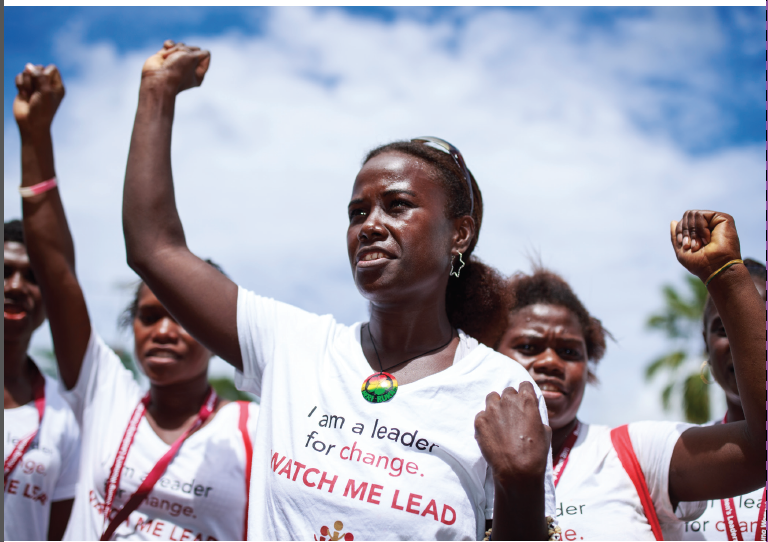
Bridgette Mohin participating in the Young Women’s Leadership Forum, Buka. Autonomous Region of Bougainville. Photo Credit: International Women’s Development Agency.
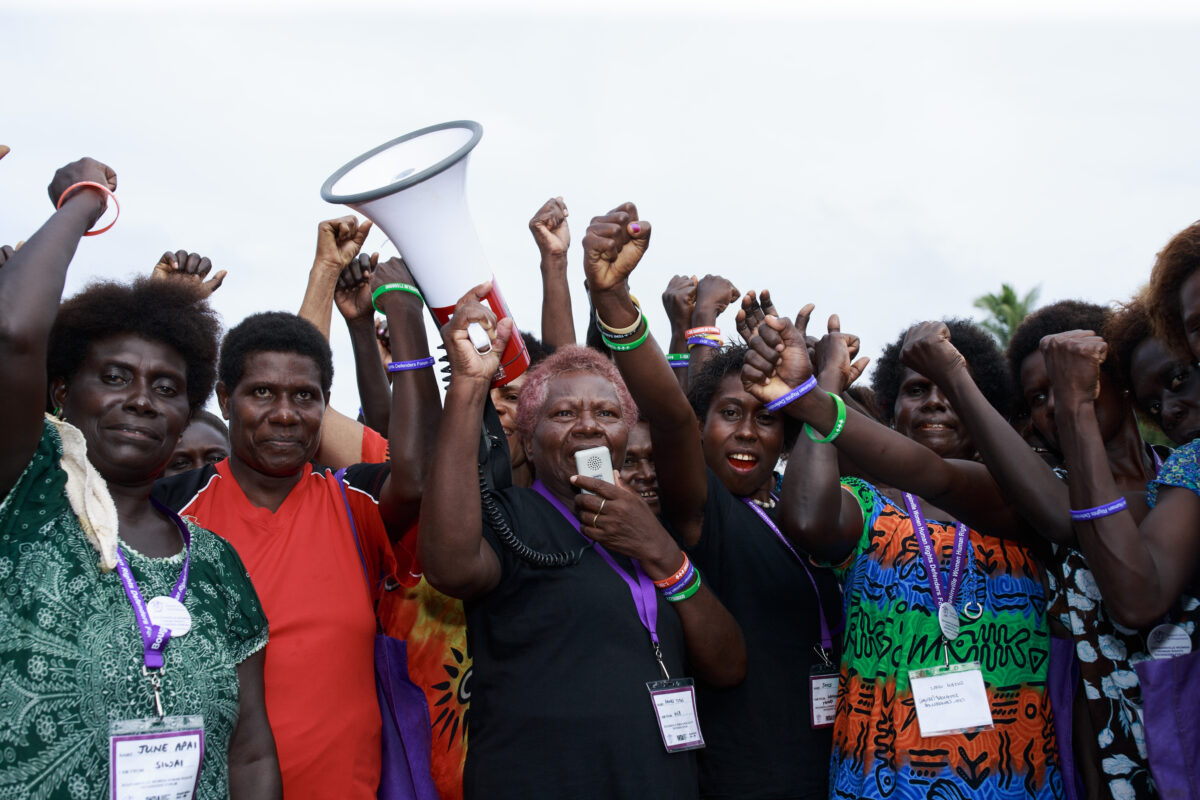
Agnes Titus (NCfR) leading the Bougainville Women’s Human Rights Defenders Forum, Siwai, the Autonomous Region of Bougainville.


